

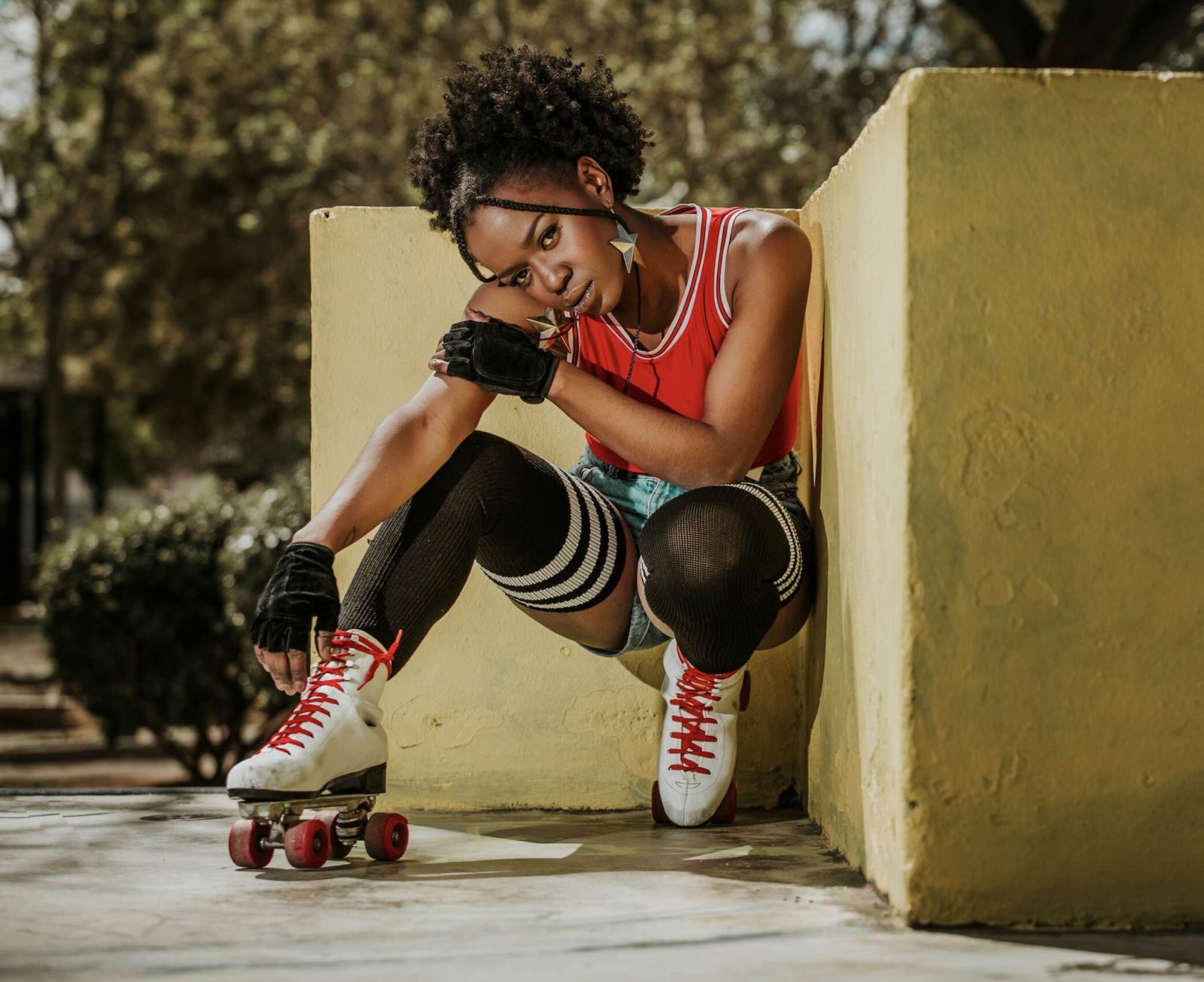

Roller skating has changed in visibility, styling, and access, but the original culture that made it stand out in the late 1970s and 1980s has not disappeared. The look, attitude, and social energy that shaped roller skating during that era are still easy to recognise today. You can see it in the posture, the music, the fashion references, the confidence, and the way rollers continue to use public space as part of the experience.
The 1980s gave roller skating a strong cultural identity. It was not only something people did for exercise or entertainment. It became connected to music, nightlife, street presence, individuality, and community. That identity still influences roller culture now, even when the setting is different.
In This Article
Why the 1980s Became Such a Strong Era for Roller Culture
The 1980s helped define roller skating as more than an activity. During that period, roller rinks, discos, outdoor promenades, city streets, and public spaces all became part of the same wider culture. Music played a major role, especially disco, funk, electro, pop, and early hip-hop influences. Fashion also mattered. Bright colours, fitted shorts, striped socks, bold laces, graphic sportswear, and confident styling all became part of the visual language around roller skating.
What made that era stand out was the combination of movement and presence. Roller skating looked social, stylish, and self-assured. It was something you saw, heard, and recognised immediately. The skates were important, but the full culture around them gave the activity its lasting identity.
The Look and Attitude That Still Define It
A lot of what people now call retro roller style comes directly from that original period. The quad skates, coloured wheels, high socks, short athletic fits, gloves, and clean but expressive styling all connect back to the 1980s roller scene. These details continue to show up because they were never just decoration. They became part of how roller skating presented itself.
The same applies to attitude. Roller culture from that period carried a very specific energy. It looked relaxed, cool, social, and confident without trying too hard. That is still one of the clearest links between then and now. Even when today’s rollers use newer equipment or different locations, that original presence is still visible.
Why It Still Feels Current
One reason 1980s roller culture still feels current is that it was built around style, music, and freedom of movement in a way that does not easily date. The visual references remain strong because they still work. Quad skates still look good. Outdoor rolling still carries the same sense of visibility and expression. Music still shapes the atmosphere. Public spaces still matter.
That is why today’s roller scene often looks like a continuation instead of a revival. In many cases, the culture did not need to be reinvented. It simply stayed alive through local communities, returning trends, rink culture, street rolling, and the continued appeal of the original look.
How You Still See the 1980s in Roller Culture Today
If you look at roller culture now, the connection is easy to spot. You can still see the influence in:
- quad skate styling and colour choices
- fashion inspired by 1980s sportswear and disco culture
- music-led rolling events and social skating
- outdoor city rolling with a strong visual identity
- the same mix of confidence, rhythm, and presence
What has changed is mainly the context. Social media now gives roller culture more visibility, and newer generations present it in their own way. But the underlying references remain very close to the original era that shaped the image of roller skating for so many people.

More Than Nostalgia
It is easy to describe current roller culture as nostalgic, but that is too limited. Nostalgia suggests something is being copied from the past because it is over. That is not really what is happening here. The original roller skate culture of the 1980s still works because it was never only about the decade itself. It created a visual and social identity that continues to make sense.
That is why the style still feels natural today. It does not look like a costume when it is done well. It looks like a culture that kept its core identity and carried it forward.
Conclusion
The original roller skate culture of the 1980s is still present today in both style and attitude. You can see it in the equipment, the fashion, the music, the confidence, and the way roller skating continues to create its own presence in public and social spaces.
What survives is not only the look of the era, but the feeling that came with it. That is why the original style of rolling still feels recognisable now. It never fully left.
If you want, I’ll now turn this into a fuller magazine article with stronger subheadings and more depth in each section.